
In today’s age, understanding your body’s needs is the key to achieving optimal health. To assess your nutritional status and energy expenditure, it’s essential to learn about important health indicators such as TDEE and body fat percentage. In this article, Soumaki will introduce you to 8 essential and commonly used health indicators that you should know to maintain a healthy lifestyle.

1. BMR (Basal Metabolic Rate)
What is BMR?
BMR is the number of calories needed for your body to maintain basic physiological functions while at rest, such as respiration, circulation, and cell regeneration. Understanding your BMR is fundamental for calculating your body’s energy needs.
How to calculate BMR:
BMR can be calculated in several ways, with the Harris-Benedict and Mifflin-St Jeor methods being the most popular:
- Harris-Benedict:
– Men:
BMR = 88.362 + (13.397 × weight in kilograms) + (4.799 × height in centimeters) − (5.677 × age)
– Women:
BMR = 447.593 + (9.247 × weight in kilograms) + (3.098 × height in centimeters) − (4.330 × age)
- Mifflin-St Jeor:
– Men:
BMR = (10 × weight in kilograms) + (6.25 × height in centimeters) − (5 × age) + 5
– Women:
BMR = (10 × weight in kilograms) + (6.25 × height in centimeters) − (5 × age) − 161

2. TDEE (Total Daily Energy Expenditure)
What is TDEE?
TDEE is the total number of calories your body uses in a day, including all activities from maintaining basic physiological functions to physical activities and daily work. Understanding your TDEE helps you manage your weight and pursue fitness goals, whether it’s losing, gaining, or maintaining weight.
How to calculate TDEE:
TDEE is calculated by multiplying BMR by an activity factor, based on each person’s activity level:
- Sedentary (little or no exercise): BMR × 1.2
- Lightly active (light exercise 1-3 days/week): BMR × 1.375
- Moderately active (moderate exercise 3-5 days/week): BMR × 1.55
- Very active (hard exercise 6-7 days/week): BMR × 1.725
- Extremely active (very hard exercise, physical job): BMR × 1.9

3. Body Fat Percentage
What is body fat percentage?
Body fat percentage is the percentage of fat compared to total body weight. This index helps assess health status and disease risk since a high fat percentage is often associated with many health issues such as cardiovascular disease, type 2 diabetes, and dyslipidemia.
How to measure body fat percentage:
- Caliper: A device used to measure the thickness of subcutaneous fat at specific body sites.
- BIA technology: Bioelectrical impedance analysis, which uses electrical signals to estimate body fat.
- DXA technique: A more accurate method that uses X-ray technology to measure body fat percentage.
Body fat percentage classification:
– Men:
- Under 6%: Professional athlete
- 6-24%: Healthy
- Over 24%: High health risk
– Women:
- Under 16%: Professional athlete
- 16-30%: Healthy
- Over 30%: High health risk

4. Waist-to-Hip Ratio (WHR)
What is WHR?
WHR (Waist-to-Hip Ratio) is a measure of the distribution of body fat calculated by dividing the waist circumference by the hip circumference. WHR helps evaluate obesity levels and the risk of health issues, especially cardiovascular diseases.
How to calculate WHR:
WHR = Waist circumference / Hip circumference
Significance of WHR:
- WHR > 0.90 (men) and WHR > 0.85 (women): Considered at high risk for health issues such as cardiovascular disease, type 2 diabetes, and some cancers.
- WHR < 0.90 (men) and WHR < 0.85 (women): Generally indicate lower risk levels for abdominal fat-related diseases.

5. Waist-to-Height Ratio (WHtR)
What is WHtR?
WHtR (Waist-to-Height Ratio) is a measure used to assess body fat distribution and the risk of health issues. WHtR provides insight into obesity levels, especially around the abdomen, and can be a better health predictor than the Body Mass Index (BMI) in some cases.
How to calculate WHtR:
WHtR = Waist circumference / Height
Significance of WHtR:
- WHtR > 0.5: Usually indicates a high risk for health issues such as cardiovascular disease, diabetes, and other metabolic disorders.
- WHtR ≤ 0.5: Considered to have a lower risk level for abdominal fat-related diseases.

6. Body Mass Index (BMI)
What is BMI?
BMI is a simple calculation used to evaluate body weight in relation to height. While it provides a quick estimate of body fat percentage, it does not account for muscle mass, which can sometimes lead to inaccurate results.
How to calculate BMI:
BMI = Weight / Height²
BMI classification:
- Underweight: BMI < 18.5
- Normal weight: 18.5 ≤ BMI < 24.9
- Overweight: 25 ≤ BMI < 29.9
- Obesity: BMI ≥ 30
7. Macronutrient Ratios
What are macronutrient ratios?
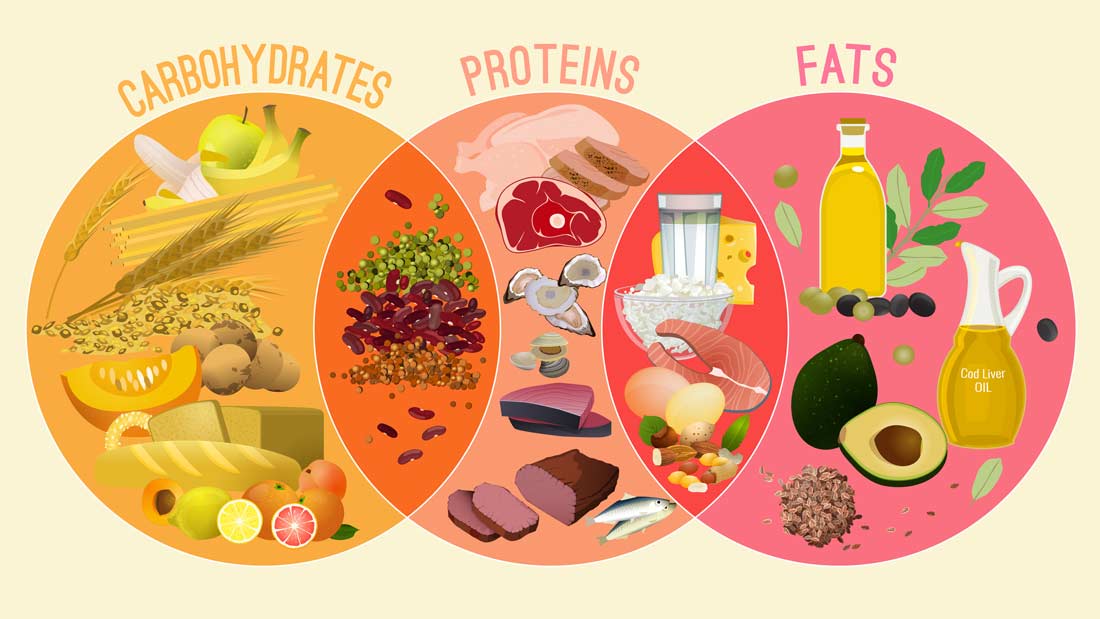
Macronutrients (carbohydrates, proteins, and fats) provide the energy necessary for daily activities. Balancing macronutrients is crucial for maintaining health and achieving specific fitness goals, such as muscle gain, fat loss, or maintaining body composition.
Recommended ratios:
- 45-65% carbohydrates
- 10-35% protein
- 20-35% fats
Benefits of tracking macronutrient ratios:
- Weight management: Understanding macronutrient ratios helps you adjust your diet to lose, gain, or maintain weight.
- Optimizing health: Proper macronutrient ratios can improve overall health, support immune function, and reduce disease risk.
- Athletic performance: For athletes, adjusting macronutrient ratios can help optimize performance and recovery after workouts.

8. Heart Rate Variability (HRV)
What is HRV?
HRV is a measure of the variation in time between consecutive heartbeats. It reflects the activity of the autonomic nervous system, which has two main components:
- Sympathetic nervous system: Increases heart rate in stressful or urgent situations.
- Parasympathetic nervous system: Helps reduce heart rate, allowing the body to relax and recover.
Standard HRV values:
- High HRV (50-100 ms or higher): Often indicates stable health, high recovery ability, and good stress adaptation.
- Average HRV (20-50 ms): May indicate stress or fatigue in the body and should be monitored and adjusted.
- Low HRV (below 20 ms): Often reflects chronic stress, fatigue, or potential health issues.
How to measure HRV:
HRV can be measured using heart rate monitoring devices, mobile apps, or medical measurement machines. Typically, HRV is calculated based on metrics like the standard deviation of intervals between heartbeats (SDNN) or the average interval of heartbeats (RMSSD).

Conclusion
In the journey of maintaining a healthy lifestyle and optimizing health, understanding important health indicators such as BMR, TDEE, body fat percentage, WHR, WHtR, BMI, macronutrient ratios, and HRV is essential. These indicators not only provide us with a comprehensive view of our current health status but also support us in making informed nutritional decisions, building appropriate exercise routines, and improving overall well-being.
To bring the philosophy of healthy living closer to everyone, Soumaki has developed a tool that integrates BMR and TDEE, helping to estimate the daily nutritional intake needed based on individual needs and activity levels. “Plan you bowl” offers more than 12 diverse and delicious meal options, or you can mix and match meals according to your preferences. With this information, Soumaki hopes to help you effectively monitor and manage your health. Regularly checking health indicators will help you identify your body’s progress and adjust your lifestyle accordingly. Start your journey to building a healthy body today!