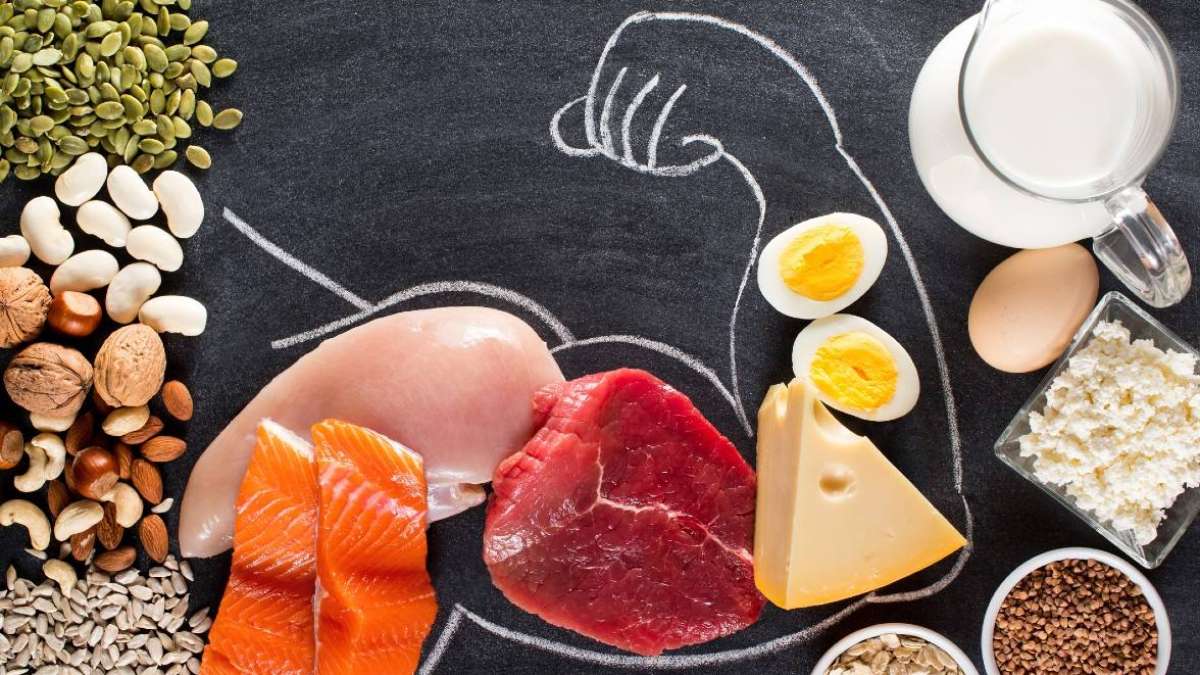
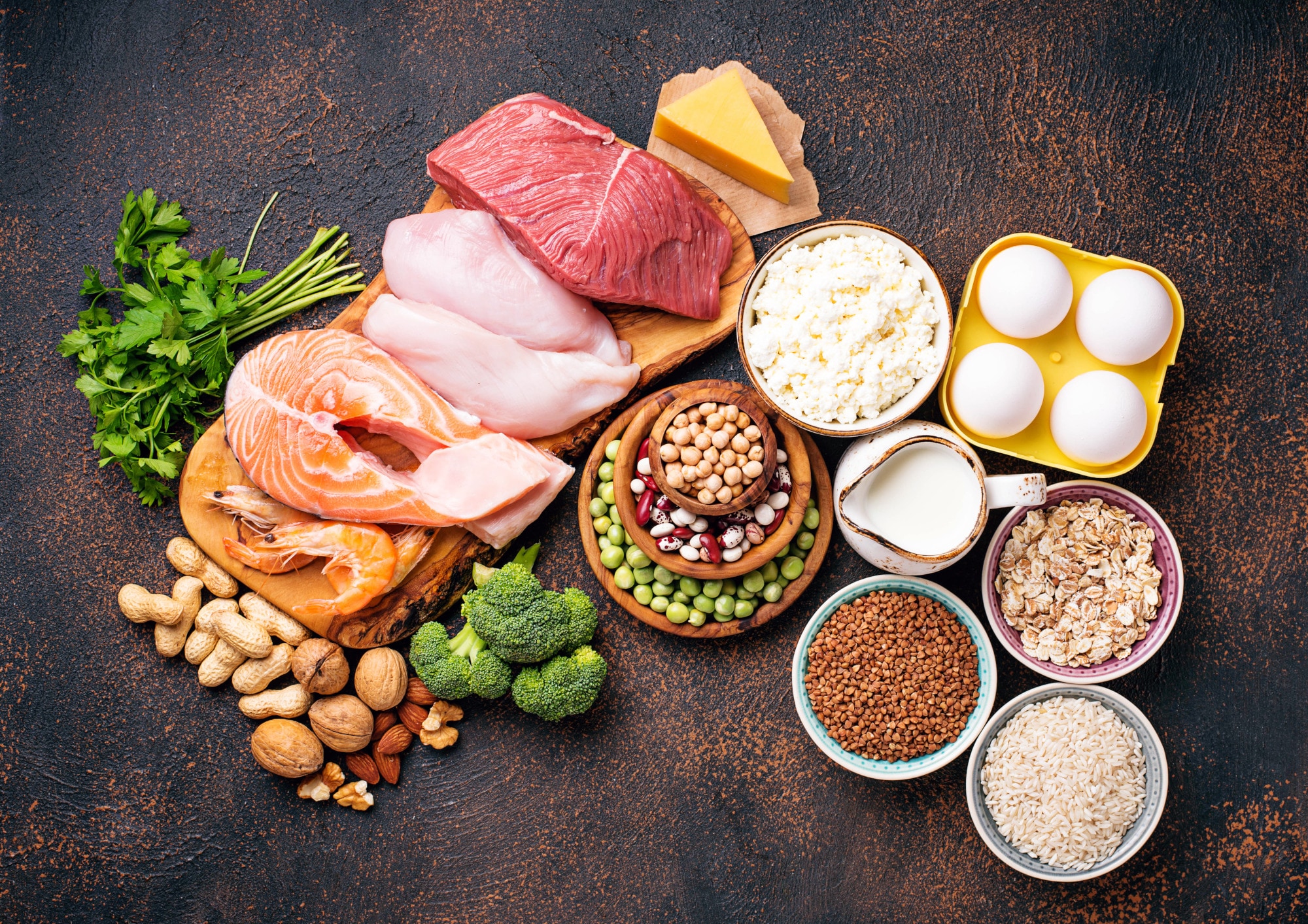
After learning about the proper consumption of protein in Part 1, Soumaki continues to share with you the potential risks when the body absorbs protein incorrectly.

Consequences of Protein Deficiency
Not meeting protein needs can lead to various negative impacts on health:
- Muscle Degeneration: A lack of protein can lead to muscle degeneration, which is particularly dangerous for the elderly, who are already at higher risk of falls and injuries.
- Poor Recovery: Individuals who are frequently active may experience prolonged recovery times, as protein plays a crucial role in muscle regeneration.
- Hormonal Imbalance: Low protein levels can affect hormone production, leading to disturbances in appetite and metabolism.
- Weakened Immune System: Protein is vital for maintaining a healthy immune system; a deficiency can make the body more susceptible to infections.
In severe cases, such as Kwashiorkor – often seen in malnourished children—symptoms like edema and metabolic disorders can occur.

Risks of Consuming Excessive Protein
While protein is an essential nutrient for the body, excessive intake can lead to unpredictable complications:
- Kidney Strain: High protein intake can put stress on the kidneys, especially for individuals with a history of kidney disease, as the body must work harder to eliminate nitrogenous waste.
- Dehydration: High protein levels can lead to dehydration, as more water is needed to eliminate waste products from protein metabolism.
- Nutritional Imbalance: Focusing too much on protein can result in a deficiency of other important nutrients, especially if it reduces the intake of fruits, vegetables, and whole grains.
- Digestive Issues: Some individuals may experience digestive difficulties, such as constipation or diarrhea, particularly when consuming protein mainly from animal sources without enough fiber.
- Chronic Disease Risk: Some studies indicate that a high-protein diet, especially from red meat and processed meats, may increase the risk of cardiovascular disease and certain types of cancer.

Seeking a Reasonable Balance
How can you determine the appropriate amount of protein?
It is important to personalize protein intake based on factors such as age, activity level, and overall health status. While protein plays an essential role in the diet, understanding your protein needs and ensuring that you do not consume excessively is crucial for maintaining overall health.
Soumaki encourages you to consult with nutrition experts for specialized advice to build a balanced diet. Additionally, you can use the BMR calculator available on the Soumaki website soumaki.com.vn to determine your necessary calorie intake, supporting your goal achievement. Whether you choose a Build-your-own bowl or a Sou-made bowl, Soumaki is committed to providing clear and transparent information about the macro content of each ingredient, helping you plan your daily meals to meet all nutritional needs and accompany you on the journey toward a healthy lifestyle.